Phase 1: Months 1–6
Policy approval. Stand up a small national coordination cell. Engage existing ROCA groups and key stakeholders, RAF, Cabinet Office, the Resilience Directorate and the devolved administrations.
Start small. A pilot in two or three regions could be delivering real value within twelve months, for a fraction of the cost of building something new.
The existing ROCA network and a deep reserve of volunteer goodwill mean a meaningful pilot could be generating real value within 12 months of approval, at a fraction of the cost of standing up a new organisation from scratch.
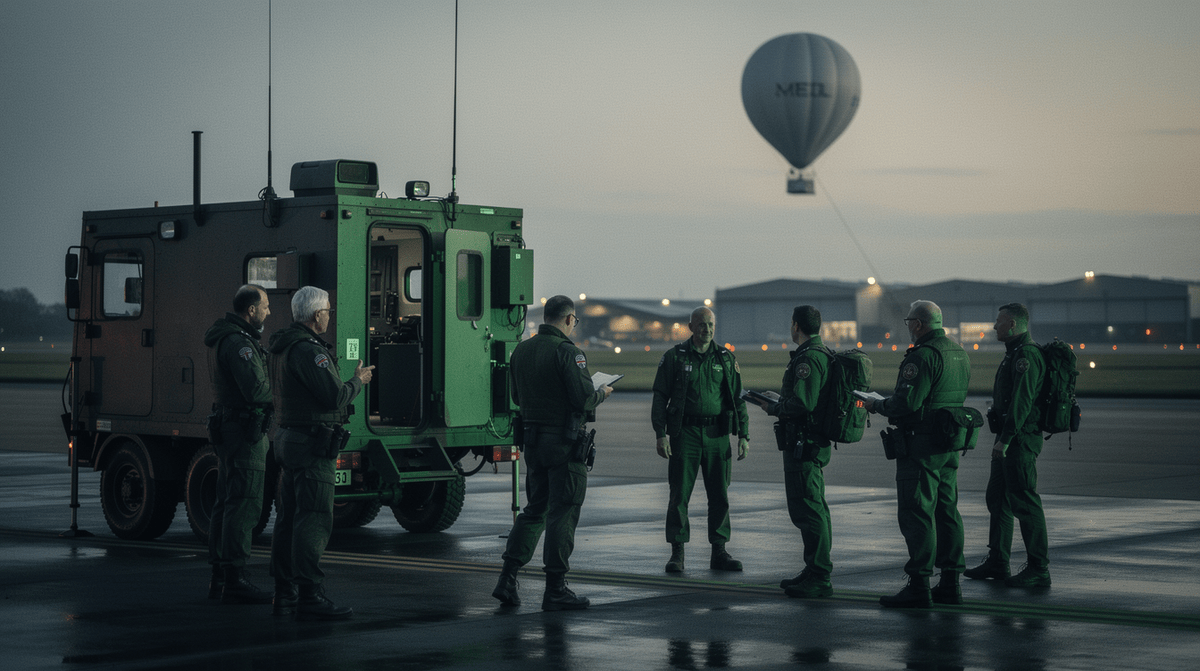
Project Sentinel should begin as a pilot. The first job is to prove that trained volunteers can be recruited, vetted, equipped, tasked and used safely by the RAF and civil-resilience structures. Everything else follows from that proof.
Policy approval. Stand up a small national coordination cell. Engage existing ROCA groups and key stakeholders, RAF, Cabinet Office, the Resilience Directorate and the devolved administrations.
Pilot in two or three regions, for example Wales, one English region, and Scotland or Northern Ireland. Recruit and train the first volunteer cohorts, develop modern training packages, and agree tasking protocols with Local Resilience Forums and the RAF.
National rollout. Full integration into civil-contingency exercises. Develop equipment scales and communications systems built to work in degraded conditions.
A pilot gives ministers a controlled way to test demand, cost, safeguarding, command arrangements, training standards and public response before committing to national scale. It is a decision that can be made small, learned from, and grown, or stopped, on the evidence.
And because the network and the goodwill already exist, the early returns come fast: trained people, tested protocols, and a capability that can be pointed at a real flood or a real incident inside the first year.
This is a low-cost alternative to constant combat air patrols or kinetic interceptors, scalable, rapidly deployable, and requiring no fixed infrastructure. The most expensive part of national resilience is the part Britain already has in abundance: people who want to serve.
The Ask
Project Sentinel needs no new department, no new headquarters, no blank cheque. It needs a minister to say yes to a pilot. Add your name, send it to someone who can move it forward, and help force the decision while there is still time.