The Warning From Defence Leaders
The head of the Armed Forces says the danger to Britain is the worst since the Cold War. This is the practical, affordable answer to part of it.
The head of the UK Armed Forces has warned that the risks facing Britain are greater than at any point since the Cold War. That warning matters because Project Sentinel is not an abstract reform. It is a practical answer to a practical problem: the country needs more trained eyes, more local resilience, and more ways to understand what is happening on the ground.
The core warning
The message from defence leadership is that Britain now operates in a far more dangerous environment. Russia is testing and probing defences, long-range military aviation is more active around the High North, and cyber and sabotage risks sit alongside conventional military pressure. The character of war itself is changing fast.
The point is not only that the Armed Forces need better equipment. It is that the whole country must understand that defence is no longer distant, short, or neatly contained. The war in Ukraine has shown how a long war consumes attention, people, logistics, industry, communications, and public endurance.
Why this matters for Project Sentinel
Project Sentinel answers the lower, local, human layer of national defence. Radar, satellites, aircraft and command systems remain essential, but they cannot be everywhere, and they cannot replace trained local observation.
When drones, sabotage, flooding or damaged communications create confusion, the first useful question is almost always simple: what is actually happening, exactly where, and what help is needed now? A trained observer network exists to answer it.
The changing character of war
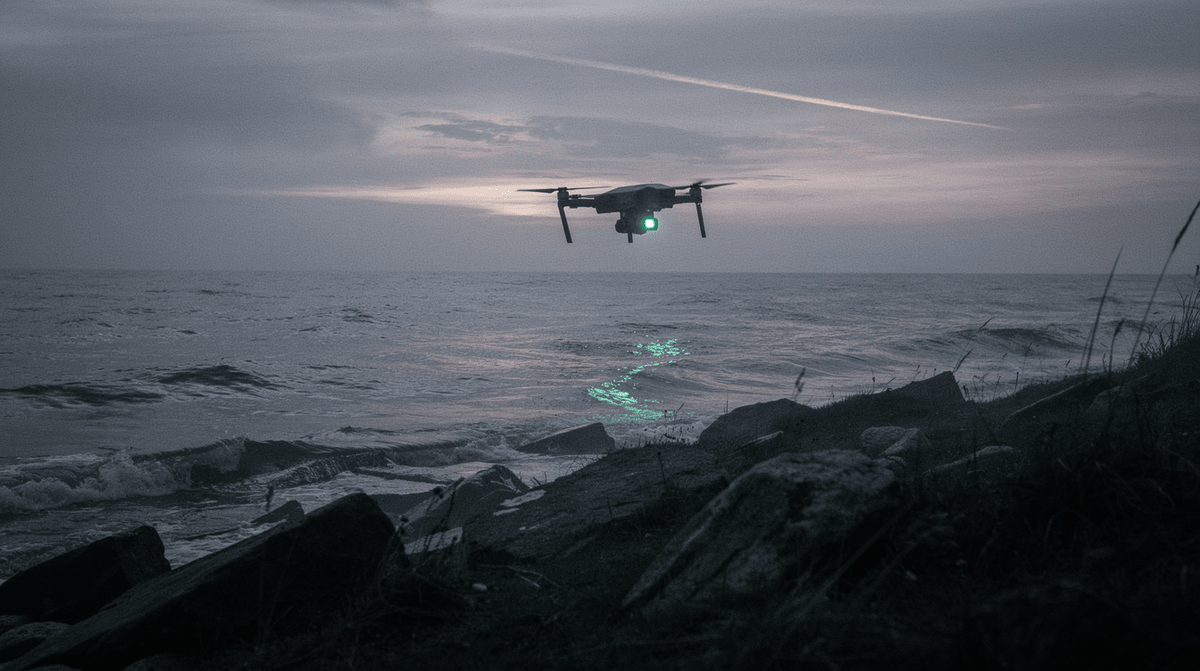
Drones and autonomous systems are now central to modern conflict. Low-cost platforms can watch, disrupt, harass or attack. They appear below traditional thresholds and around sensitive places: prisons, airfields, ports, power infrastructure and borders.
The answer cannot be only expensive interceptors and centralised sensors. Britain needs a cheaper, wider, more resilient layer that can notice, confirm, report and support. That is precisely what a modern Observer Corps provides.
A warning to society, not just the military
Civil resilience is part of national defence. Floods, infrastructure failure, cyber disruption, disinformation and sabotage all pile pressure onto local authorities, emergency services and military reserves at once.
Project Sentinel turns public concern into trained capability. It gives veterans and other vetted volunteers a disciplined way to serve again, and gives government a practical structure it can pilot quickly and expand if it works.
What the warning demands
- More readiness before a crisis, not improvised help after one has begun.
- More local observation, because national systems need reliable ground truth.
- More civil resilience, because the Army cannot be the only backstop for domestic emergencies.
- More trained volunteers, because public service needs structure, standards and command.
- More low-cost capability, because not every threat can be met with a high-cost platform.
The Ask
A capability Britain can stand up before the next crisis, not after it.
Project Sentinel needs no new department, no new headquarters, no blank cheque. It needs a decision to fund a pilot. Get in touch, share it with anyone who can take it forward, and help move the proposal from paper to a working capability.